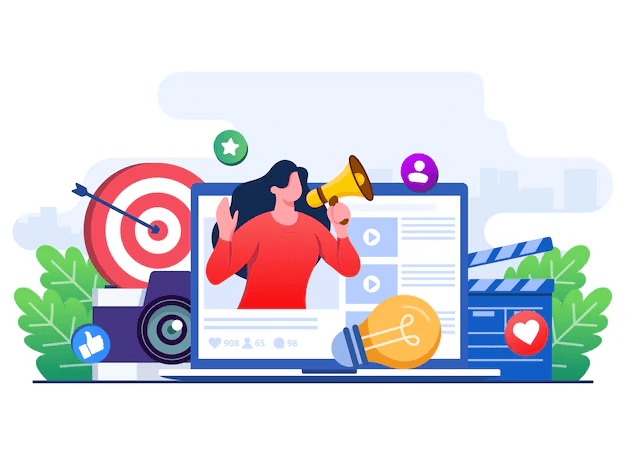
Performance Marketing: Maximizing ROI with Data-Driven Campaigns
Performance marketing focuses on measurable results, ensuring businesses get the best return on investment (ROI) from their digital campaigns....

brand identities with strategy-driven positioning, impactful logo design, persuasive storytelling, customer persona insights, market fit analysis, omnichannel marketing
Boost online sales with SEO, PPC, social media ads, CRO, marketplace optimization, automated email marketing, and customer retention strategies for lasting engagement.
Enhance brand visibility with expert SEO, social media management, ORM, email marketing, and retention strategies to build a loyal audience.
Maximize reach with targeted PPC campaigns and strategic link-building to drive high-quality traffic and conversions.
Expand your brand on Amazon, eBay, Etsy, and Walmart with tailored marketplace strategies to optimize sales and visibility.
Optimize app success with ASO, targeted mobile advertising, user acquisition strategies, and conversion rate optimization for better retention
Delivering innovative branding and performance marketing solutions that elevate businesses worldwide
CEO
Our expertise has helped numerous companies achieve sustainable growth, improve efficiency, and stay ahead in competitive markets.
We create targeted campaigns that boost visibility, engagement, and conversions, ensuring maximum impact across digital platforms.
Our skilled team brings extensive industry knowledge, delivering customized solutions tailored to your unique business needs.
We take pride in delivering high-quality, innovative solutions tailored to business needs. Our latest projects showcase our expertise in design, development, and strategy, helping brands achieve remarkable success.
Entrepreneur
Their branding and content marketing transformed our online presence, increasing engagement, brand recognition, and audience interaction effectively
Entrepreneur
Performance marketing strategies delivered outstanding results, optimizing conversions, improving targeting, and maximizing ROI efficiently
Manager
Their innovative social media marketing and influencer collaborations expanded our reach, improved engagement, and strengthened our brand presence across multiple platforms
CEO Brand
Affiliate and email marketing expertise helped scale our business effectively, improving customer retention, sales, and brand credibility.
Blogger
Performance marketing focuses on measurable results, ensuring businesses get the best return on investment (ROI) from their digital campaigns....

Social media is a powerful platform for building brand awareness, engaging audiences, and driving sales. A strategic approach to...
Search Engine Optimization (SEO) is essential for increasing website visibility and driving organic traffic. Implementing the right SEO strategies...

In an evolving digital landscape, businesses must adapt to emerging trends to stay ahead of the competition. From AI-driven...
Social Media Marketing (SMM) is the process of using platforms like Facebook, Instagram, Twitter, and LinkedIn to promote your business, engage with your audience, and drive sales. It’s a cost-effective way to build brand awareness and directly communicate with both potential and existing customers.
Businesses should invest in SMM because it allows for targeted marketing based on demographics, interests, and behaviors. With billions of active users, these platforms offer massive reach and allow brands to meet customers where they already spend time online. SMM campaigns can include organic posting, paid ads, influencer partnerships, contests, and more.
Unlike traditional advertising, social media offers measurable results such as engagement, reach, click-through rates, and conversions. It also supports customer service through direct messaging, which strengthens trust and loyalty. With consistent branding and valuable content, businesses can position themselves as industry leaders and create a loyal community around their brand. In today's digital age, social media is not optional—it's essential for growth.

Influencer Marketing helps brands grow by leveraging the trust and authority of individuals who have built loyal followings on platforms like Instagram, YouTube, or TikTok. These influencers have direct access to niche audiences that are often difficult for brands to reach through traditional advertising.


By partnering with influencers, brands can promote their products or services through authentic content like reviews, tutorials, stories, and testimonials. This content doesn’t feel like an ad—it feels like a recommendation from a trusted friend, which significantly boosts credibility and conversion rates.
Influencer marketing is especially effective for D2C brands, lifestyle products, fashion, tech, and beauty. Campaigns can be customized to match a brand’s goals—whether it's driving awareness, launching a product, or increasing sales. Brands can track performance through unique discount codes, affiliate links, or campaign metrics like reach and engagement.
It also supports SEO by generating backlinks, increases social proof, and amplifies brand visibility. When managed correctly, influencer marketing offers a high ROI and can be scaled using micro, macro, or nano-influencers based on budget and niche.
D2C (Direct-to-Consumer) branding is a strategy where businesses sell their products directly to customers via their own website or digital platforms—bypassing retailers, wholesalers, or distributors. Unlike traditional retail, which relies on third parties, D2C gives brands complete control over their marketing, pricing, customer data, and brand experience.
This model has gained massive popularity due to the growth of eCommerce and the increasing importance of customer relationships. D2C branding allows for personalized marketing, quick product testing, and full ownership of the buyer journey—from the first ad click to post-purchase communication.
Strong D2C branding includes a cohesive visual identity, clear messaging, storytelling, and value-driven content across all platforms. Strategies often include SEO-rich blogs, social media marketing, influencer collaborations, PPC ads, and email automation.
Since there's no retail markup, D2C brands can often offer better prices or invest more into marketing and customer service. It also means collecting first-party data, which helps refine marketing strategies and improve product development. For startups and modern brands, D2C is the future of scalable, digital-first business.
Yes, YouTube Marketing can significantly help small businesses grow. As the world’s second-largest search engine, YouTube is an essential channel for video-based content marketing and brand visibility. It enables businesses to reach a global audience, educate potential customers, and showcase products in an engaging format.
For small businesses, creating tutorials, how-to guides, product demos, behind-the-scenes content, and customer testimonials helps build trust and establish authority. These videos not only rank on YouTube but can also appear in Google search results, boosting your SEO and web traffic.
YouTube also allows targeted advertising through Google Ads, enabling businesses to reach specific demographics based on interests, behaviors, and keywords. Ads can drive traffic to your site, increase sales, or promote lead generation offers.
With the right optimization—titles, descriptions, tags, thumbnails, and CTAs—YouTube content becomes a long-term asset that keeps delivering traffic and engagement. Combined with social sharing and retargeting strategies, YouTube can be a cornerstone of your digital growth strategy.
PPC (Pay-Per-Click) advertising is a model where you pay only when someone clicks on your ad. It’s used across platforms like Google Ads, Bing, Facebook, Instagram, and LinkedIn. PPC is a fast and scalable way to drive targeted traffic, generate leads, and increase sales.
The biggest advantage of PPC is speed. Unlike SEO, which takes time to build, PPC campaigns can deliver immediate results. You can launch a Google Ads campaign today and start getting traffic within hours. This is ideal for product launches, promotions, or testing new markets.
With keyword targeting, ad extensions, and audience segmentation, you can ensure your ads reach people who are actively searching for your product or service. You can also control your budget, test multiple versions of your ads (A/B testing), and monitor performance in real-time.
PPC offers clear ROI metrics like cost-per-click (CPC), conversion rate, and return on ad spend (ROAS). When paired with optimized landing pages and a strong call-to-action, PPC becomes a powerful driver of short-term results and long-term growth.
SEO (Search Engine Optimization) is vital because it drives consistent, organic traffic to your website without paying for every click. It involves optimizing your site’s content, structure, and backlinks to rank higher in search engine results for relevant keywords.
Unlike paid ads, which stop generating traffic once you stop spending, SEO keeps working 24/7. It builds your brand’s credibility because users trust organic search results more than ads. SEO also improves the user experience—faster loading times, mobile optimization, and relevant content all contribute to higher rankings and better engagement.
With proper keyword research, content marketing, technical SEO, and link building, your website can attract quality leads over time. It’s particularly effective when combined with PPC, social media, and email marketing.
SEO tools like Google Search Console, SEMrush, and Ahrefs help track rankings, fix issues, and find new keyword opportunities. It’s a long-term investment, but one that delivers compounding returns and positions your brand as an authority in your niche.
Instagram Marketing converts followers into customers by creating an engaging, visually-driven experience that builds trust and encourages action. It starts with a clear profile: a branded bio, professional visuals, and a link to your website or shop.
Content is key. Businesses should post a mix of educational content, product showcases, behind-the-scenes videos, user-generated content, and testimonials. Reels, carousels, stories, and live sessions boost reach and interaction. Features like Instagram Shopping and product tags make it easy for users to buy without leaving the app.
Engagement also matters. Responding to comments, using interactive stickers in stories (polls, questions), and hosting giveaways increases brand loyalty. Paid promotions through Meta Ads help you reach new, targeted audiences based on behaviors and interests.
With Instagram Insights, you can track reach, engagement, and conversions to see what’s working. By aligning content with customer interests and creating seamless pathways to purchase, Instagram becomes a powerful sales tool—not just a social platform.
Running effective Facebook Marketing campaigns in 2025 requires a mix of strategy, creativity, and data. Start by setting a clear objective—whether it’s awareness, traffic, engagement, leads, or conversions.
Use Facebook Business Manager to create campaigns and define your audience using detailed targeting options like demographics, interests, and custom/lookalike audiences. Install the Facebook Pixel on your site to track actions and optimize campaigns.
Create eye-catching creatives—videos, carousels, and lifestyle images perform best. Your copy should be concise, value-driven, and include a strong call-to-action. A/B test different creatives and audiences to find what delivers the best ROI.
Choose a bidding strategy that aligns with your goals, and set budgets based on your expected return. Monitor campaigns daily and make data-driven decisions to pause underperforming ads and scale winning ones.
Retarget visitors who didn’t convert, upsell to existing customers, and use lead magnets to build your email list. With consistent optimization and a customer-first approach, Facebook remains a top-performing channel for businesses of all sizes.
Content marketing is one of the most powerful strategies for building long-term visibility and trust. It involves creating and sharing valuable, relevant, and consistent content—like blogs, videos, infographics, ebooks, and guides—to attract and engage a clearly defined audience.
Unlike traditional advertising, which interrupts the audience, content marketing educates and informs. By solving problems or answering questions that your audience frequently searches for, you position your brand as an expert in your field. This builds authority and increases brand recall.
When optimized with relevant SEO keywords, content like blog posts and videos rank on search engines, driving organic traffic to your website over time. You also create more shareable assets for social media and email campaigns.
High-quality content can support every stage of the customer journey—from awareness to consideration to decision-making. For example, a blog might introduce a problem, a video might explain how your solution works, and a case study could show real results.
Content marketing also feeds your email list, nurtures leads, and improves website engagement rates. It reduces bounce rates and increases time on site—signals Google uses to assess content quality.
In today’s marketing landscape, people buy from brands they trust. Content marketing isn’t just about visibility—it’s about building long-term relationships with your audience through education and value.
Yes, Email Marketing is not only still effective in 2025—it remains one of the highest ROI channels in digital marketing. With every $1 spent, businesses can see an average return of $36 or more. The reason? Email allows direct communication with people who have already shown interest in your brand.
Modern email marketing is not about spam or generic blasts. It’s about personalization, segmentation, and automation. Platforms like Mailchimp, Klaviyo, and HubSpot allow you to send targeted campaigns based on user behavior, preferences, and engagement history.
You can use emails for onboarding, abandoned cart recovery, newsletters, product announcements, discounts, loyalty rewards, and more. Automated drip campaigns nurture leads over time, moving them through the funnel and increasing lifetime value.
Emails also support cross-selling, upselling, and retaining customers. Plus, with first-party data becoming more important due to privacy updates, owning your email list is a strategic asset.
To succeed, your email content should be mobile-friendly, visually appealing, and valuable. Include strong CTAs, test subject lines, and track open/click rates to refine performance. By offering real value—not just sales pitches—you build trust and drive conversions.
In summary, email marketing remains a cornerstone of digital strategy, offering unmatched targeting, affordability, and relationship-building potential.
Copyright © 2026 PixelFreaks. All rights reserved.
SEO, PPC, and content marketing strategies significantly improved our website traffic, brand visibility, and lead conversions, resulting in exceptional business growth